This translation is machine-generated and pending review.
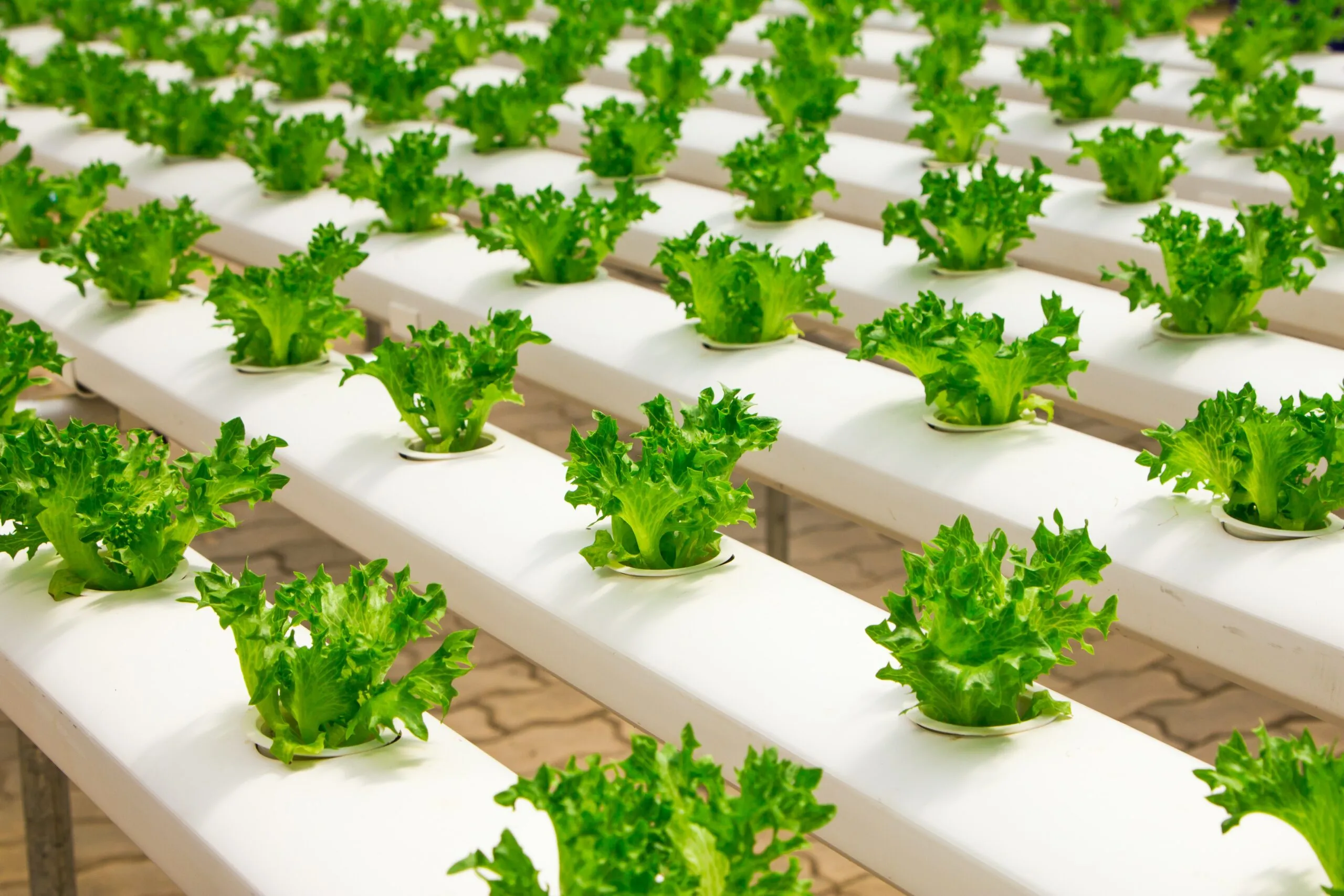
Hydroponics, from the Greek water (hydro) and labor (ponos), is the name given to the system of growing plants without the need for soil (earth) as a growth medium. The plants stay in direct contact with water or extremely humid air, which contains the additive of the nutrients needed for the plant’s development.
But is it possible to grow plants without soil? Not only is it possible, but the plants also grow much better and faster within this methodology. Many of the foods we consume in our daily lives are already grown hydroponically.
History of Hydroponic Cultivation
Many past civilizations used hydroponic cultivation techniques throughout their history. The Hanging Gardens of Babylon, the floating gardens of the Aztecs in Mexico and those of the Chinese are successful examples of hydroponic cultivation. Egyptian hieroglyphic records dating back several hundred years B.C. describe the growth of plants in water. As noted, hydroponics is an ancient method for growing plants, but only recently have giant advances been made in this “innovative” area of agriculture.
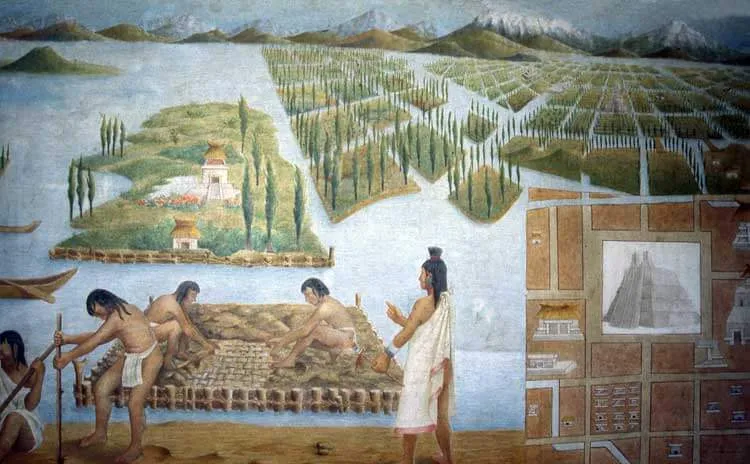
Hanging Gardens of Babylon
One of the applications that drove the adoption and research of hydroponics was growing fresh produce in inhospitable places around the world, with little or no fertile soil for cultivation. Hydroponics was widely used during World War II to supply troops stationed on islands in the Pacific, which have little or no land for planting, so through hydroponic systems it was possible to grow fresh produce in these locations.
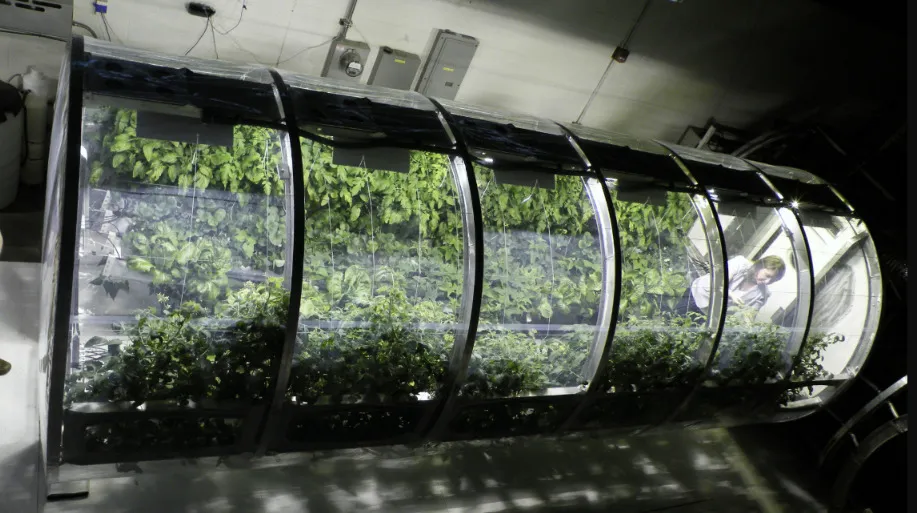
Lunar greenhouses designed to mimic those on Earth - NASA
Hydroponics was also integrated into the space program. During the space race, NASA saw hydroponics as a perfect and easy fit for its plans for sustaining life in space. So by the 1970s, it was no longer just scientists and analysts who were involved with hydroponics; traditional farmers and hobby enthusiasts began to be drawn to the virtues of hydroponic cultivation.
When many people hear the topic of hydroponics, they quickly associate it with growing Cannabis, because that is what popularized this technique in modern times. Since it is a plant that is still prohibited in many places, hydroponics was the perfect, easy and “hidden” means of growing plants indoors and away from the eyes of the authorities.
How Does Hydroponics Work?
Before understanding how hydroponics works, we need to understand how plants grow and develop. Plants grow through a process called photosynthesis, in which they use sunlight and chlorophyll (a chemical substance present in the leaves) to convert carbon dioxide and water into glucose (a source of energy) and oxygen. In addition, they need non-mineral nutrients (hydrogen, oxygen, …), macronutrients (phosphorus, calcium, magnesium, sulfur, …) and micronutrients (chlorine, manganese, iron, …).
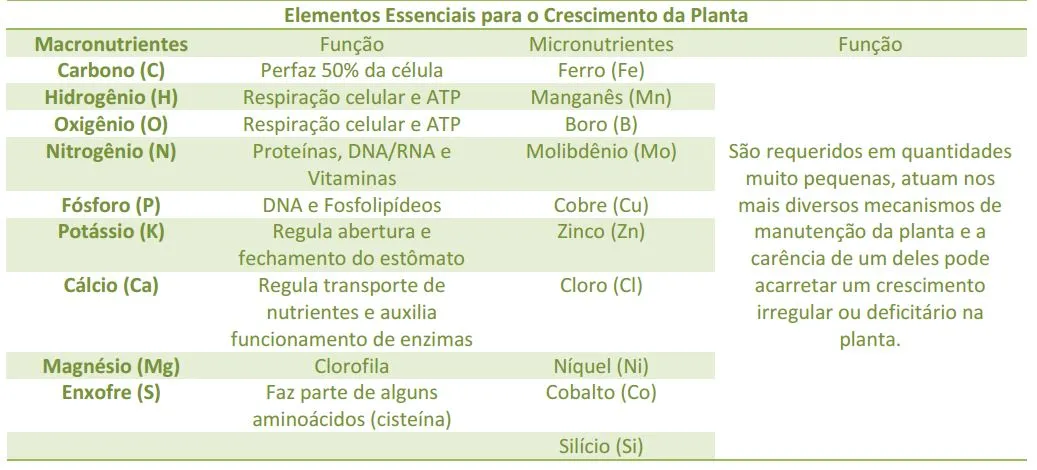
In a soil-based planting system, the macro and micronutrients are present in the soil and reach the plant roots, while the non-mineral ones are present in the water and the atmospheric air. In a hydroponic system, the macronutrients are added directly to the water, which in turn is in contact with the plant roots, serving as the medium to deliver all the necessary non-minerals and minerals to the plant.
With hydroponics there is also the possibility of growing plants without the need for the sun, popularly called “indoor” cultivation, through special lamps that supply the light the plants need.
A hydroponic system basically needs a light source, whether natural or artificial, nutrients mixed in the water, and a way to deliver these nutrients to the roots.
Advantages of Hydroponics
Hydroponics has several advantages over soil cultivation. We can list a few main ones:
- Drastically reduces water waste compared to soil crops (up to 90% less water use).
- Eliminates the need for massive use of pesticides and fertilizers (considering that most pests live in the soil), making the air, water, soil and food cleaner.
- The ability to produce at a lower cost than traditional soil farming.
- The ability to grow in areas of the world that lack space or fertile soil.
- The harvest time is, in most cases, shorter in hydroponic systems because it is an optimized nutrient delivery system with less resistance for the roots/plants.
Types of Hydroponic Systems
There are several ways of hydroponic cultivation. We will talk about all of them in more detail soon; for now we will look at the simplest and most popular system:
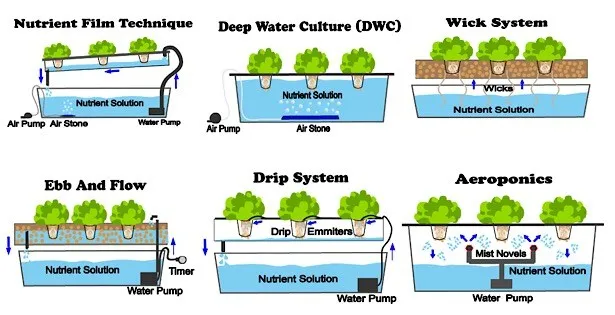
Types of Hydroponic Systems
Wicking Systems
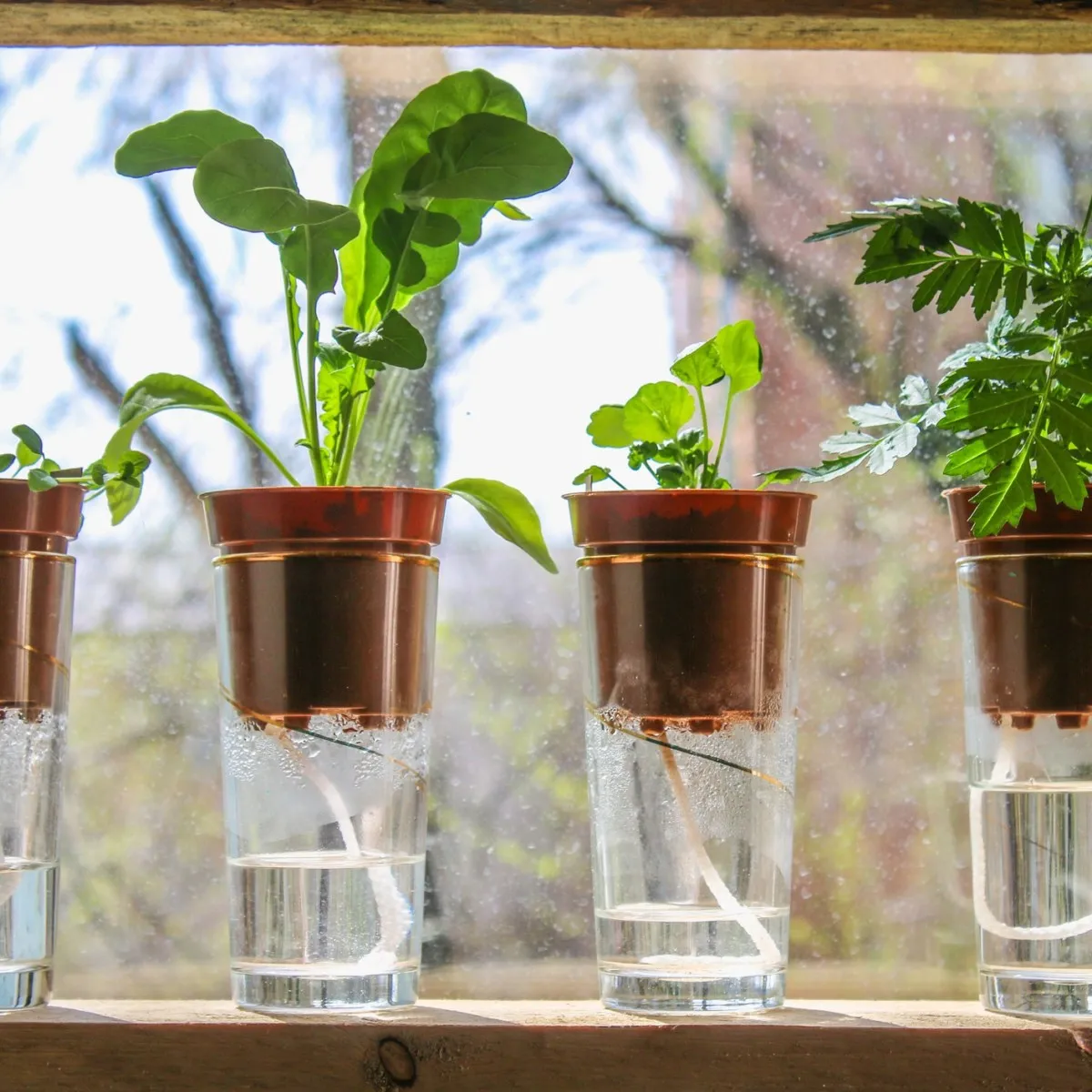
Wicking Systems
A wicking system is the most basic type of hydroponic system you can build. This is the system that has been used for thousands of years, like the gardens of Babylon.
It is known as passive hydroponics, which means you do not need air or water pumps to use it. The nutrients and water are moved to the plant’s root zone by means of a wick, which is usually something as simple as a rope or piece of felt.
The key to success in the wicking system is to use a growing medium that transports water and nutrients well, such as coconut, perlite or vermiculite.
These systems are good for smaller plants that do not consume much water or nutrients. Larger plants may have difficulty getting enough through this system.
NFT System (Nutrient Film Technique)
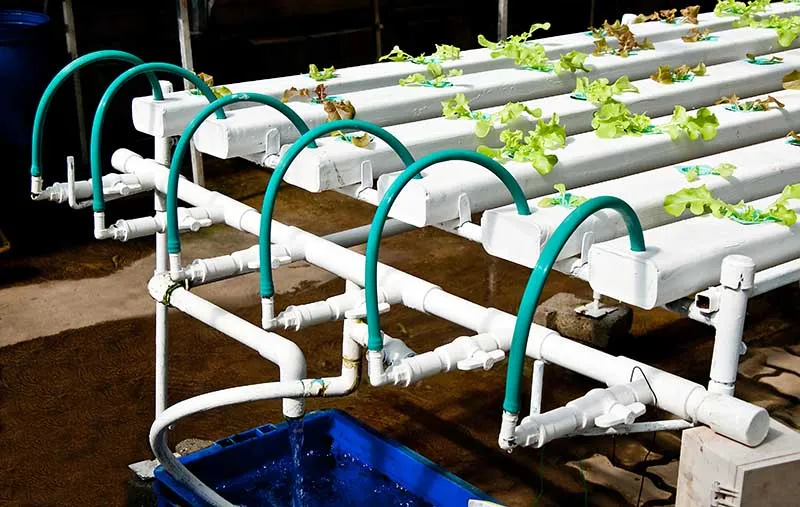
The Organic hydroponic vegetable garden
The nutrient film technique is often used to grow smaller, fast-growing plants, such as different types of lettuce. In addition to lettuce, commercial growers also use this system to grow baby herbs and strawberries.
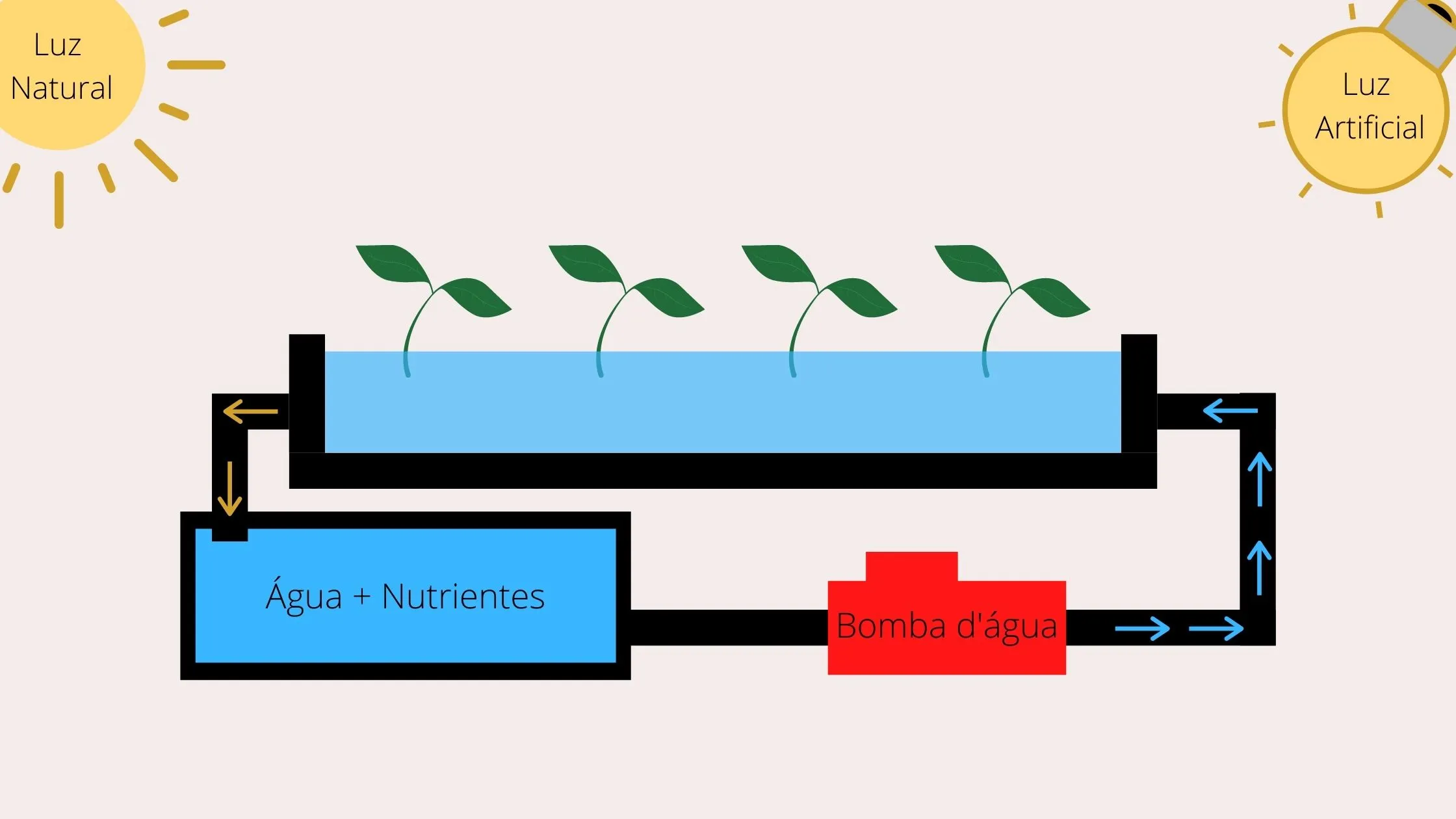
NFT System
There are several ways to design a nutrient film technique system; however, they all follow the design of a very shallow nutrient solution flowing through the pipe. The bare roots of the plants absorb the nutrients from the solutions when they come into contact with the water.
This system consists of a reservoir with water and nutrients, a water pump responsible for circulating it through the system, a medium where the plants are suspended, usually a pipe or a tray, where suspended plants with exposed roots come into contact with this small flow of water + nutrients. The plants absorb what they need and then there is a fall of water back into the reservoir, which is also responsible for oxygenating the water.
DWC System (Deep Water Culture)
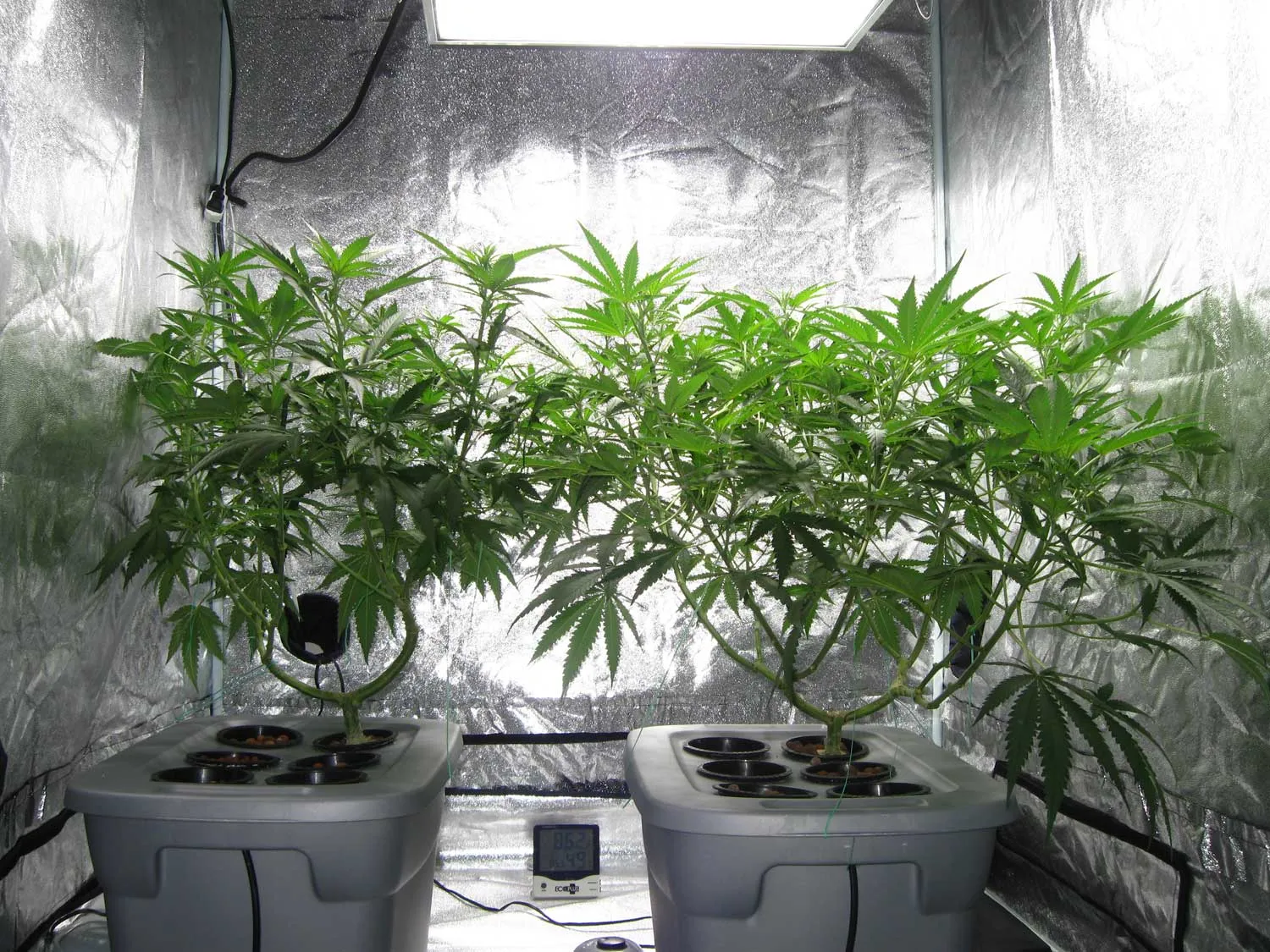
Deep Water Culture System
In a DWC system, a reservoir is used to hold the water and nutrient solution. The plant roots are submerged in this solution so that they receive a constant supply of water, oxygen and nutrients.
To oxygenate the water, an air pump with an air stone is used to pump bubbles into the nutrient solution. The plants are usually housed in perforated pots with some medium to hold the plants, usually clay pebbles, phenolic foam or coconut husk.
Drip Systems
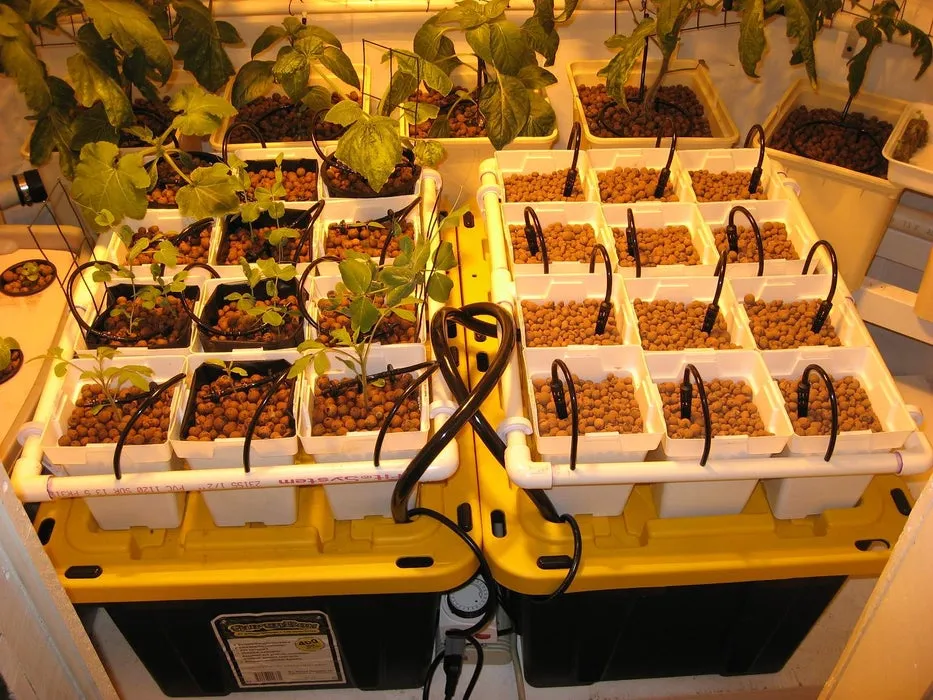
Drip Systems
Drip systems are very similar to the NFT system; the only difference is that instead of supplying water through a constant flow of water, the nutrient solution is pumped directly to the base of each plant in the system.
Aeroponics
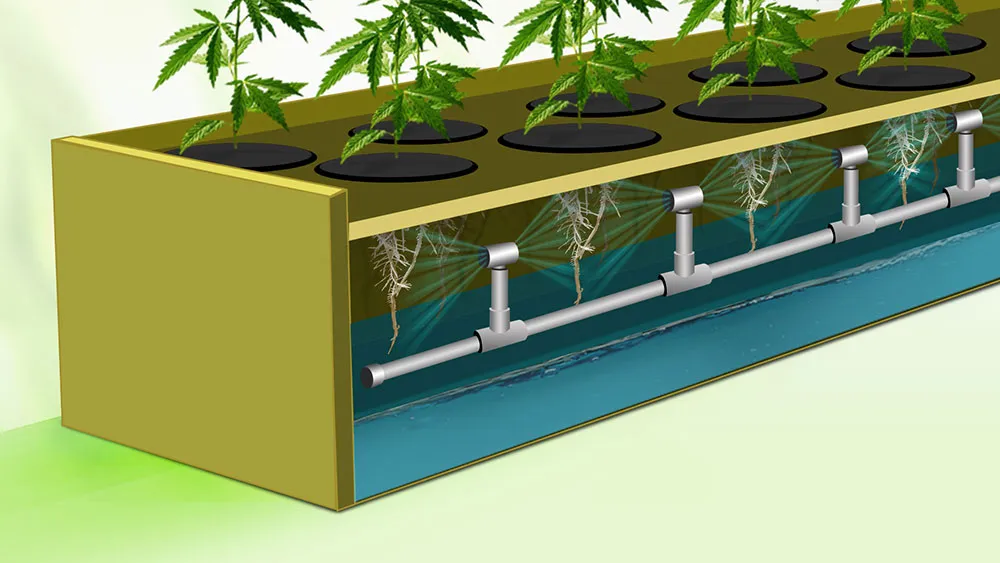
Aeroponics
An aeroponic system is similar to an NFT system in that the roots are suspended in the air. The difference is that in an aeroponic system the nutrient solution is delivered to the plants through a mist; a spraying system creates this mist, moistening the roots with the nutrient solution.
Conclusion
-
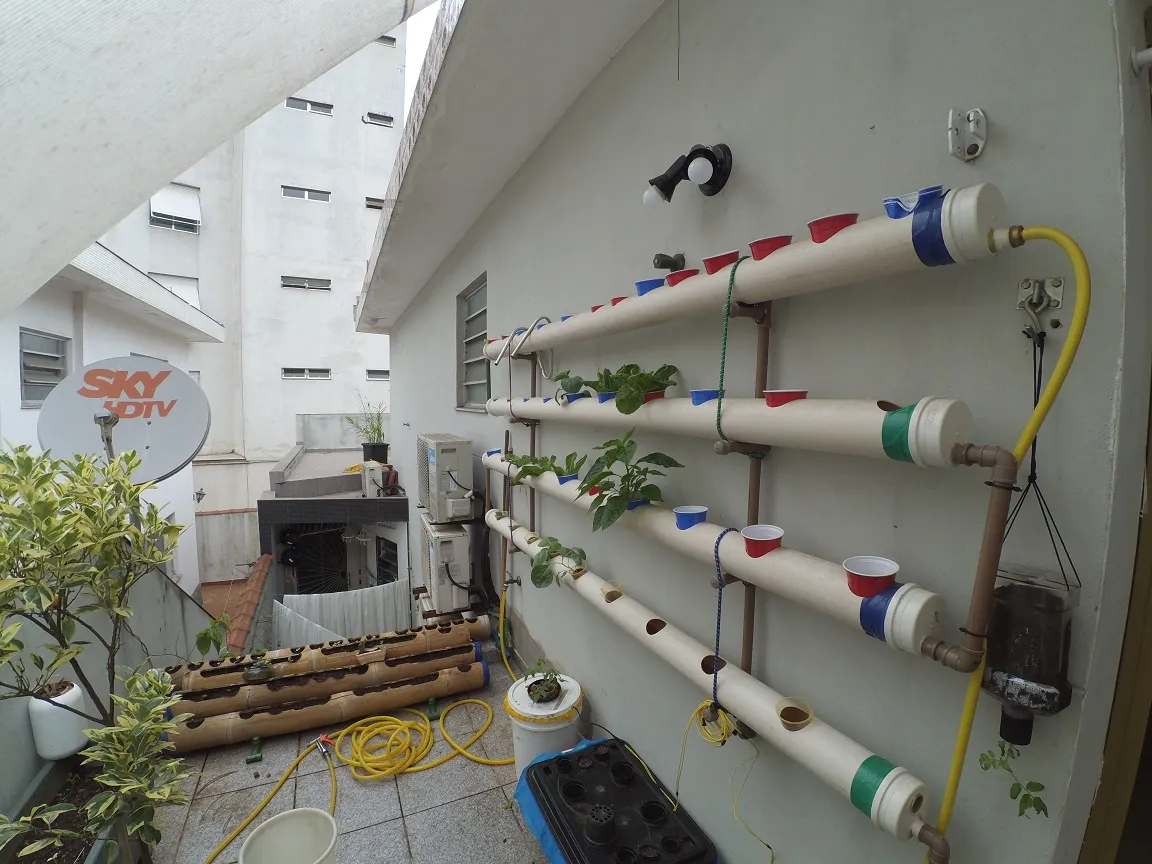
NFT Garden
-
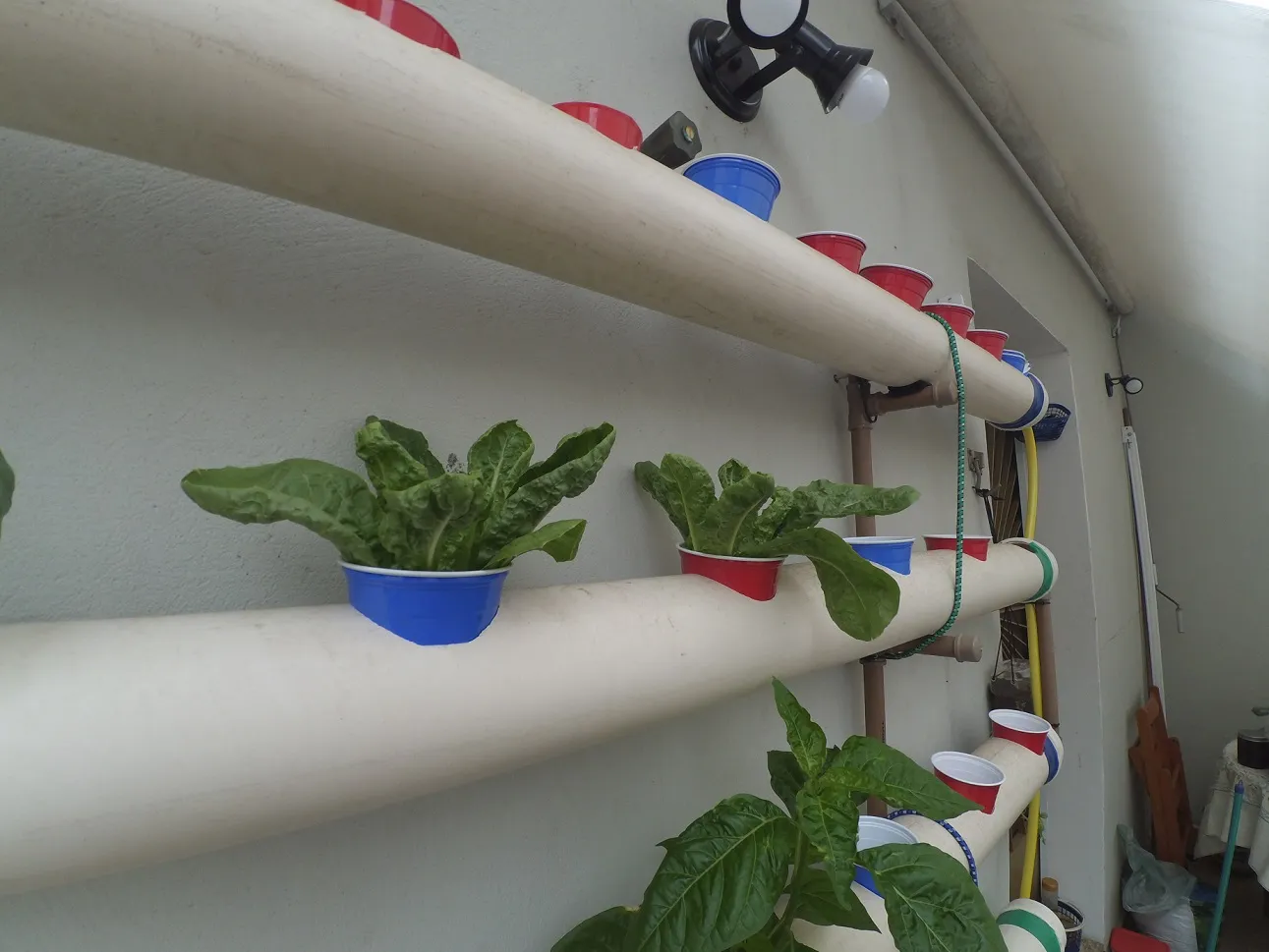
NFT Garden
-
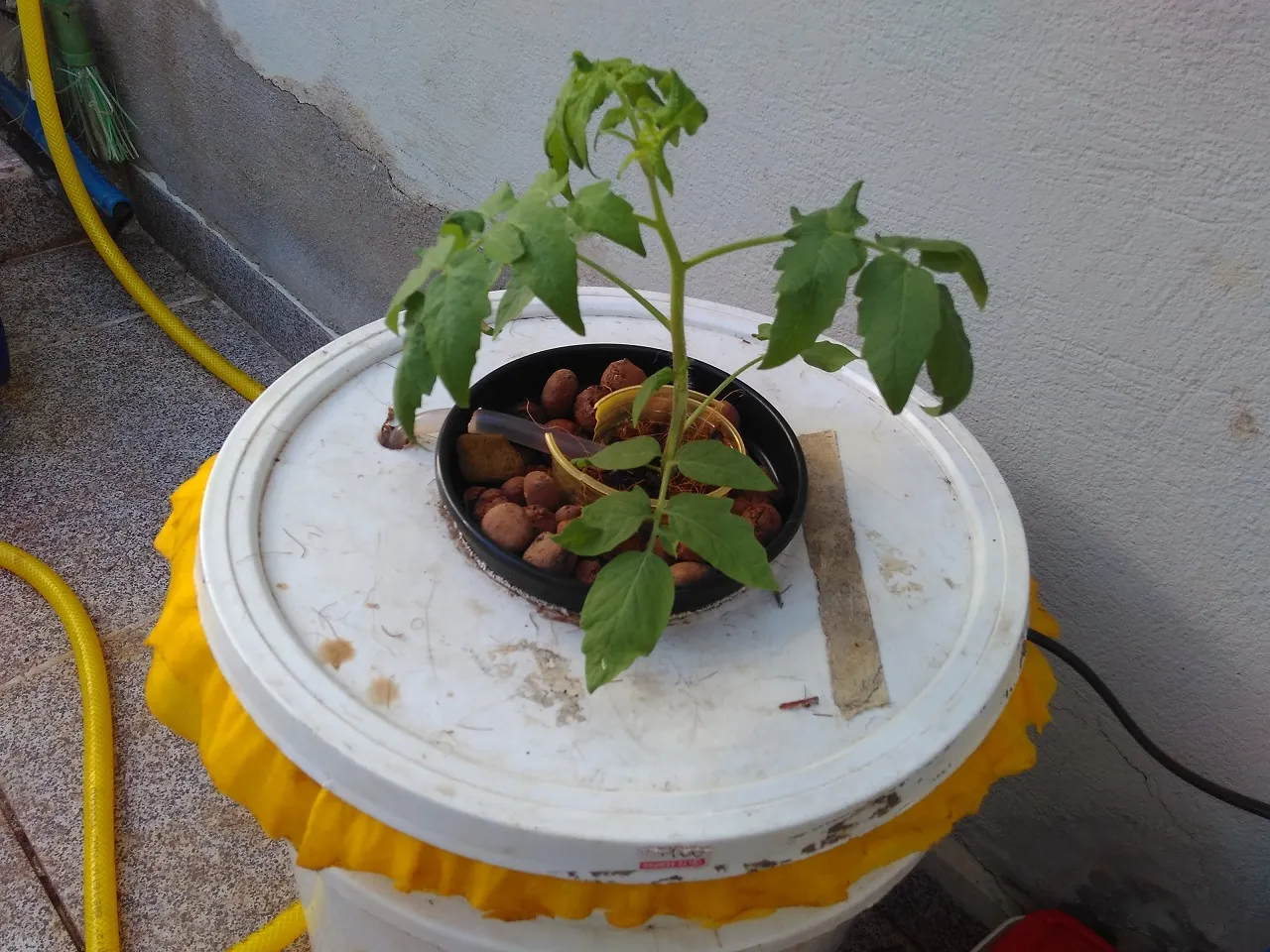
DWC Garden


DIY Garden
Well, we have learned a little more about hydroponics and its advantages. Some may be wondering what this has to do with a technology blog. Well, this is the first article in a series in which I want to show a hydroponic garden that I built at my parents’ house, along with all the technology behind the cultivation. With the help of automation I managed to create a garden that is practically 100% automated, and I decided to share this experience with you.